Running out of pellets during a cook is frustrating, but it happens even to experienced grillers.
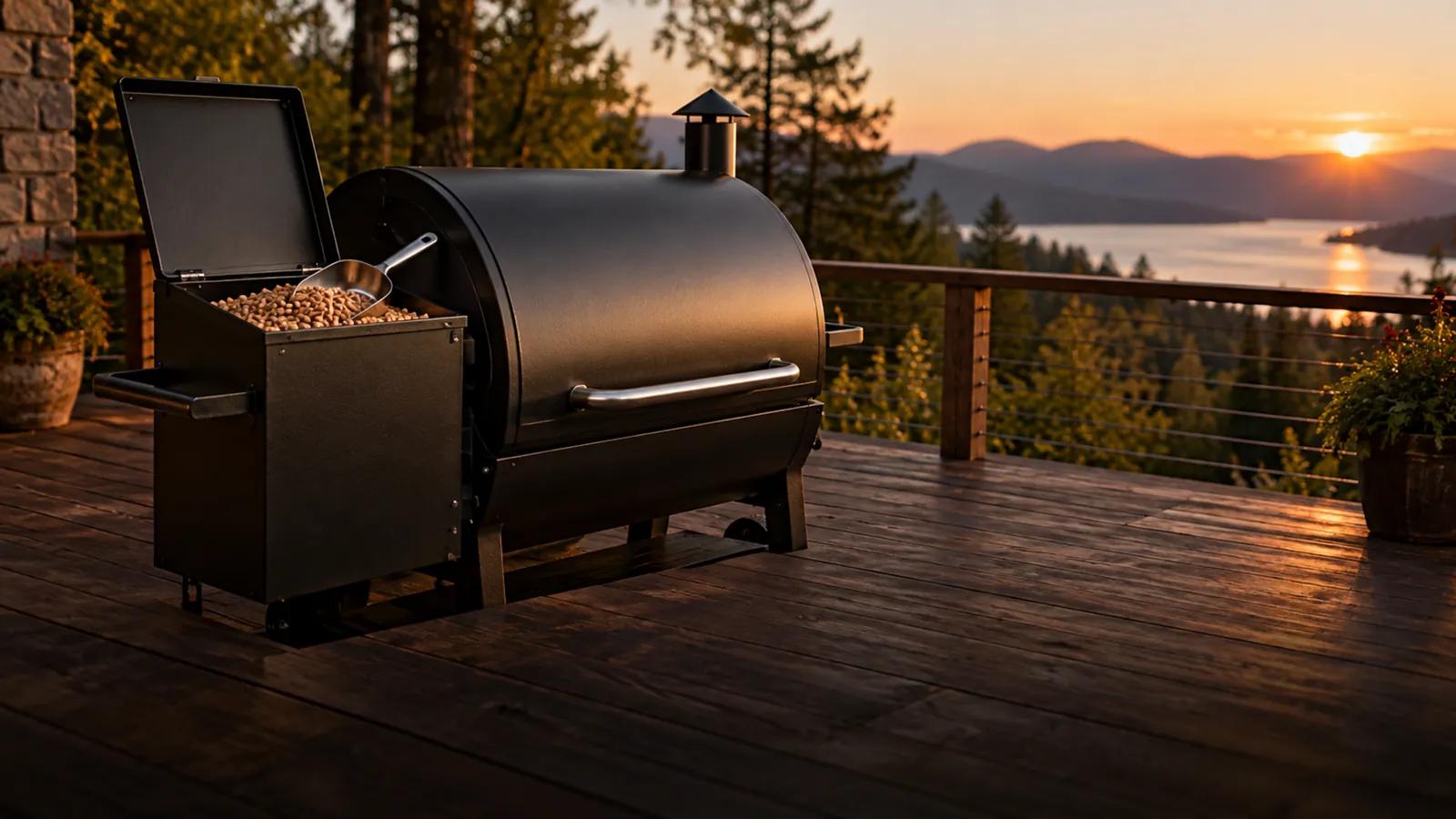
Pellet grills rely on a steady flow of fuel.
Once the hopper runs dry, the fire in the firepot goes out and the grill stops producing heat.
The good news is that restarting a Traeger after a pellet flameout is straightforward if you follow the correct steps.
The key is avoiding excess pellet buildup before relighting the grill.
Buy Traeger Signature Hardwood Pellets on Amazon ↗️
Subscribe to Our YouTube Channel :)
First: Confirm the Grill Actually Ran Out of Pellets
Before restarting, check the hopper.
Sometimes pellets form a small tunnel in the center while pellets remain along the edges.
This can make it look like the hopper still has fuel even though the auger can’t reach it.
If the hopper is empty, or nearly empty, refill it with fresh pellets before restarting.
Buy Traeger Signature Hardwood Pellets on Amazon ↗️
If you're unsure what happens when the hopper runs dry, our guide “What to Do If Traeger Runs Out of Pellets” explains the flameout process and why the grill shuts down.
Turn the Grill Off and Let It Finish the Shutdown Cycle
When pellets run out, the grill may still run its fan and internal components for a short time.
Instead of immediately adding pellets and restarting, switch the grill off and allow it to complete its normal shutdown cycle.
This step clears out residual heat and prevents excess pellets from piling up in the firepot during the restart.
Give the grill several minutes to cool slightly before moving on.
Check the Firepot Before Restarting
After a flameout, the firepot sometimes contains partially burned pellets or ash.
If too many pellets are accumulated during the shutdown process, lighting the grill again could create heavy smoke or a sudden flare-up.
Open the grill and inspect the firepot area.
If you see excess pellets or a buildup of ash, remove them before restarting.
A small shop vacuum is the easiest way to clean the firepot quickly.
A clean firepot helps the ignition rod work properly and ensures the grill lights smoothly.
Buy Traeger Signature Hardwood Pellets on Amazon ↗️
Restart the Grill Normally
Once the hopper is filled and the firepot is clean, restart the grill as you normally would.
Turn the grill on and set it to the startup or smoke setting if your model has one.
Within a few minutes, the auger should begin feeding pellets into the firepot and the ignition rod will ignite them.
Allow the grill to preheat fully before placing food back inside.
This usually takes about 10 to 15 minutes depending on the temperature setting.
What Happens to Your Food During a Pellet Flameout?
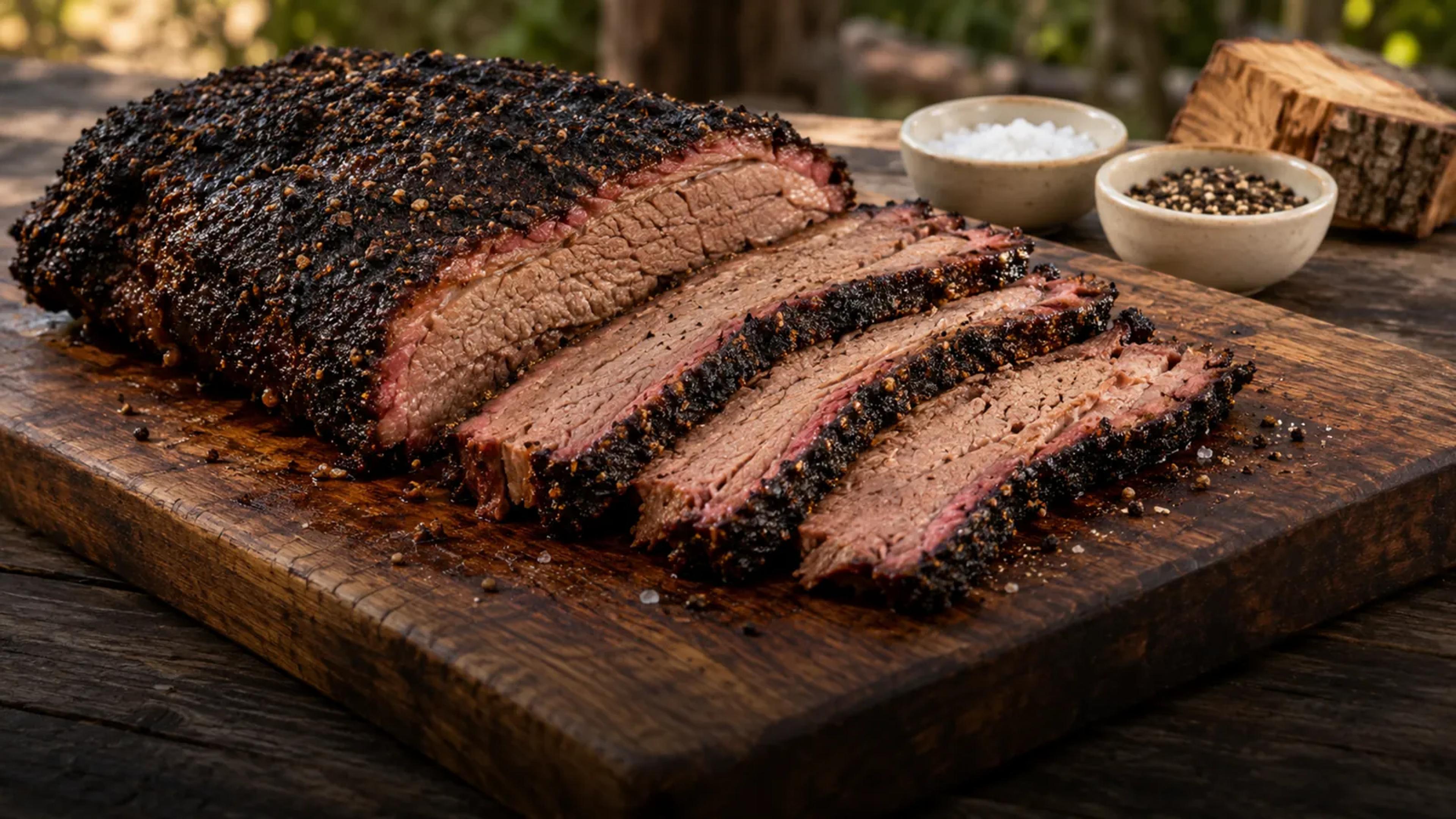
If the grill lost heat briefly, your food is usually still fine, especially during long cooks like brisket or pork shoulder.
These cuts tolerate short temperature drops without major issues.
However, if the grill sat without heat for an extended period, food safety becomes important.
Meat should not remain in the “danger zone” temperature range for too long.
This is one reason it helps to monitor pellet levels during long cooks.
Our guide “How Long Do Traeger Pellets Last” explains typical burn times and how to estimate pellet usage before starting a long smoke.
Preventing Pellet Flameouts in the Future
Running out of pellets is easy to avoid once you understand how quickly pellet grills burn fuel.
Most grills use about one pound of pellets per hour at low smoking temperatures and significantly more at higher heat levels.
That means long cooks like brisket or pork shoulder can use most of a 20-pound bag.
Before starting a long cook, fill the hopper completely and keep extra pellets nearby.
Checking pellet levels every few hours also helps prevent surprises.
Pellets should always be dry and stored properly.
Moist pellets can swell, crumble, or feed poorly through the auger.
Buy Traeger Signature Hardwood Pellets on Amazon ↗️
Flaws but Not Dealbreakers
Pellet grills offer excellent temperature control, but they depend entirely on a continuous fuel supply.
Unlike charcoal grills where you can add fuel to an active fire, pellet grills require a proper restart after the fire goes out.
That process takes a little time, but once you learn the steps it becomes routine.
Most grill owners experience a pellet flameout once or twice.
After that, keeping the hopper full becomes second nature.
The Bottom Line
Restarting a Traeger after running out of pellets involves three key steps: refill the hopper, clear the firepot, and restart the grill normally.
As long as you avoid restarting with a clogged firepot, the grill should relight without problems.
Monitoring pellet levels and keeping extra fuel nearby will help ensure your next cook runs smoothly from start to finish.
P.S. - If your grill ran out of pellets and struggled to restart, the auger may be partially clogged with leftover or swollen pellets. In that case, it helps to know how to clear the system properly. Our guide How to Remove Pellets from a Traeger Auger walks through the process step by step so your grill feeds pellets smoothly again.
Every Easy Function product ships with a free lifetime replacement warranty.