The quick answer
How do you remove grease from a grill bottom tray?
Turn the grill off and let it cool fully. Remove the tray, collect the grease, and scrape off the thick buildup with a suitable plastic scraper. If the tray can be washed, use warm water, mild dish soap, and a soft sponge. Rinse, dry, clear the grease drain, and put the tray back correctly.
You finish a great cook, clean the grates, and close the lid. Meanwhile, the tray below is still holding fat from the burgers, chicken, or ribs. It is easy to miss until the grease gets thick or starts dripping where it should not.
The good news is that this job usually starts with basic tools. Weber’s tray-cleaning guide uses a plastic scraper and warm soapy water. Below, we walk through a simple routine for removable grease trays, plus the details to check on your own grill.
Affiliate disclosure: As an Amazon Associate, we earn from qualifying purchases at no extra cost to you. Easy Function is our brand.
Before you pull out the tray
First, check which part you are cleaning. Some grills have a large sloped tray that sends grease into a smaller cup or pan. Others have a different setup. Look at the parts diagram so you know what comes out and how it goes back.
This guide covers removable grease trays. An ash catcher, heat shield, and electric heating unit may need different care. Check whether your tray can be washed and which tools suit its finish.
Set these supplies nearby before you begin:
- A plastic scraper approved for the tray’s surface.
- Paper towels or disposable wiping cloths.
- Warm water, mild dish soap, and a soft sponge for washable parts.
- Gloves and a container for cooled grease.
- A tub or covered work surface to catch drips.
A little setup helps. You will not have to carry a greasy tray around while looking for a waste container or a place to put it.
How to clean the grill bottom tray in six steps
Take it one stage at a time. Removing the bulk of the grease first makes the washing step much less messy.
1. Turn the grill off and let it cool
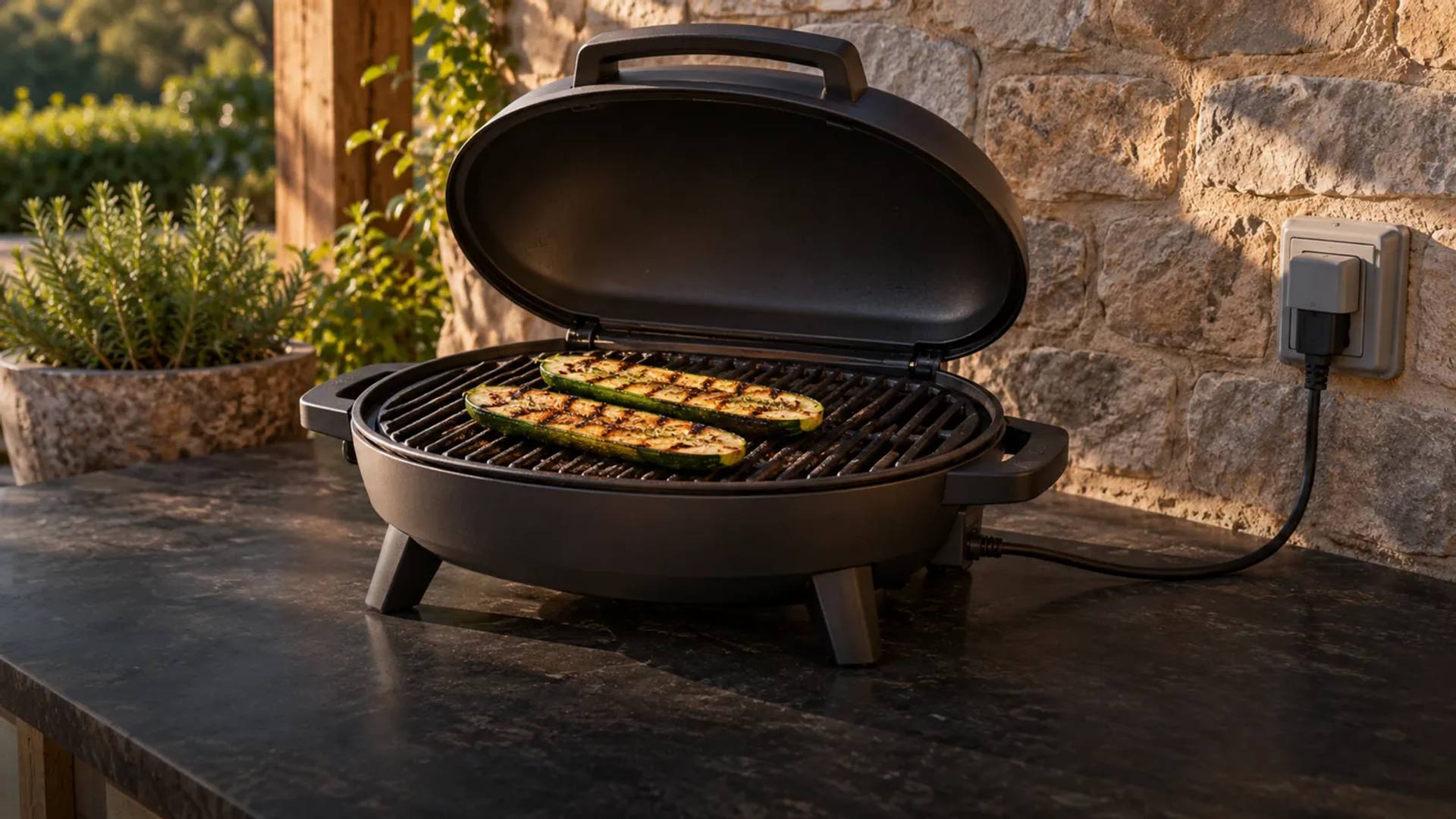
Turn off the controls and shut off the gas supply on a gas grill. For a pellet grill, let its normal shutdown cycle finish before switching it off and unplugging it. Unplug an electric grill before cleaning. Wait until the tray and grease are fully cool.
2. Slide the tray out slowly
Follow the removal steps for your model. Support the tray with both hands if needed and keep it level. Place it on your prepared surface. Remove the smaller catch pan or grease cup as well, if your grill has one. Do not force a tray that is stuck.
3. Collect the grease before adding water
Pour cooled liquid grease into a suitable container. Scoop out thick deposits and wipe away loose fat with paper towels. Seal the container and follow your local waste rules. Do not pour grease into the sink, toilet, or an outdoor drain.
4. Gently scrape the stuck-on layer
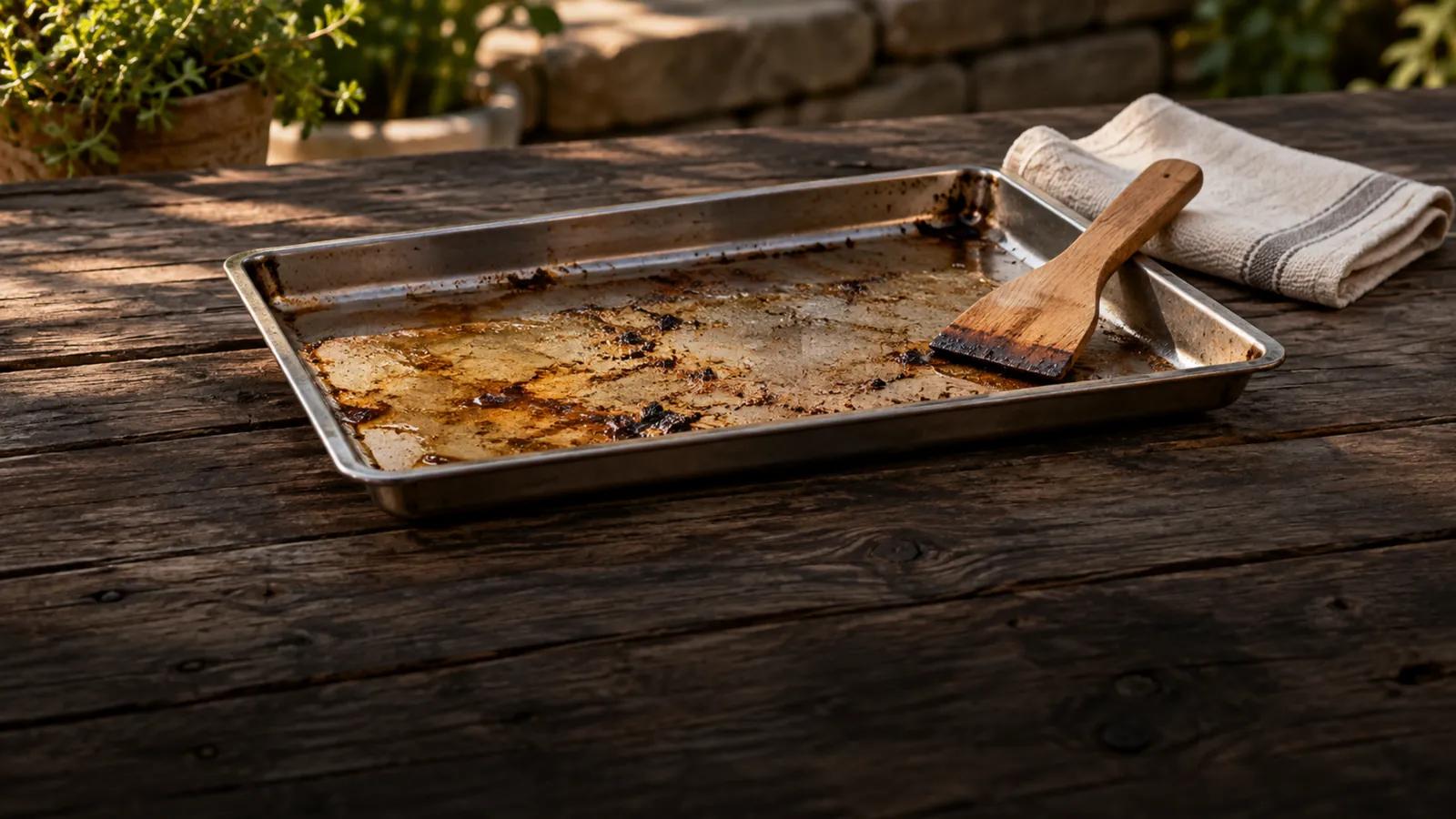
Hold the tray steady and work a suitable plastic scraper under the grease. Use light pressure, especially around corners and seams. Collect the scrapings as you go. Do not push a lump into the drain opening and leave it there. If the surface starts scratching or peeling, stop.
5. Wash, rinse, and dry
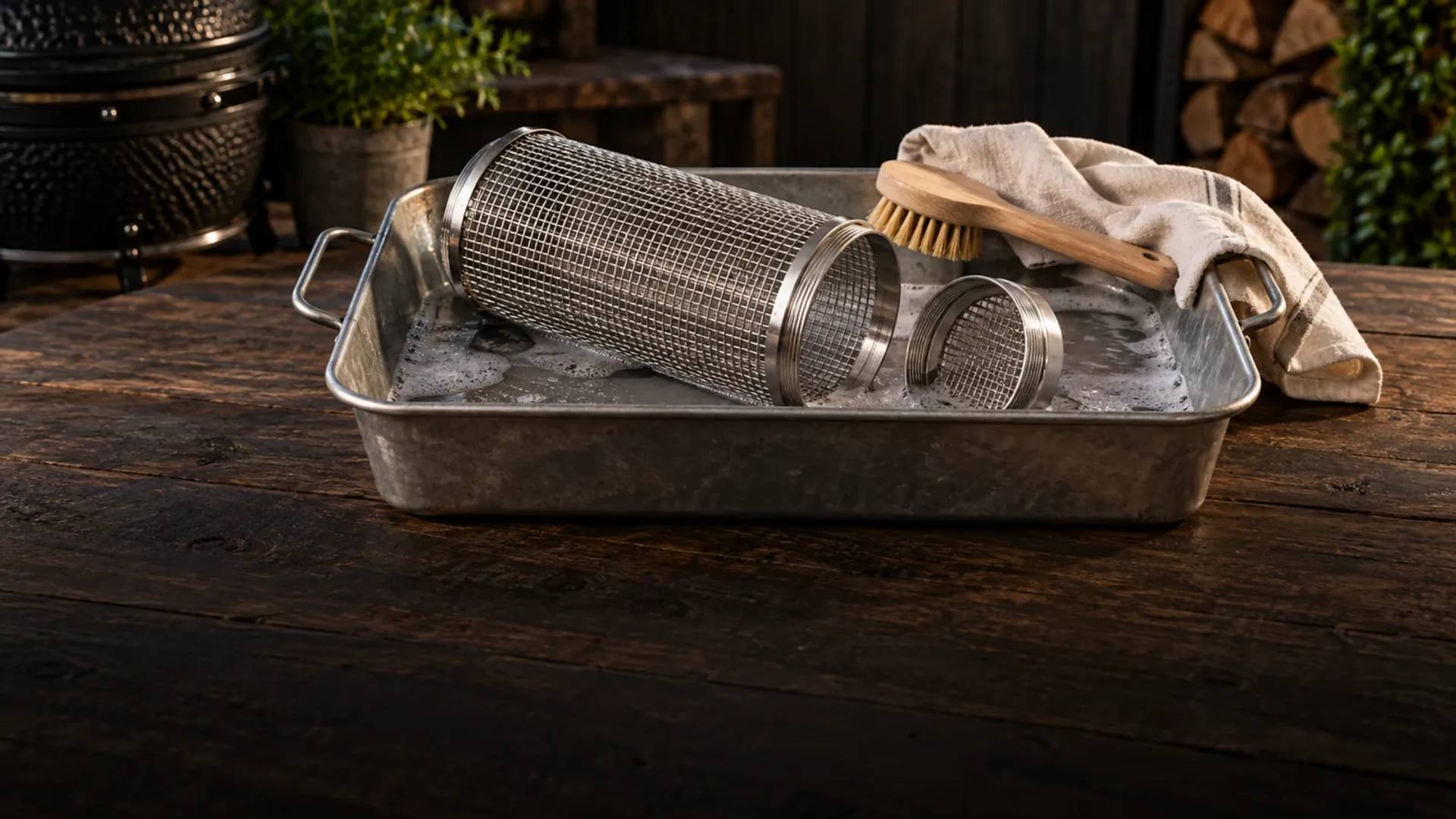
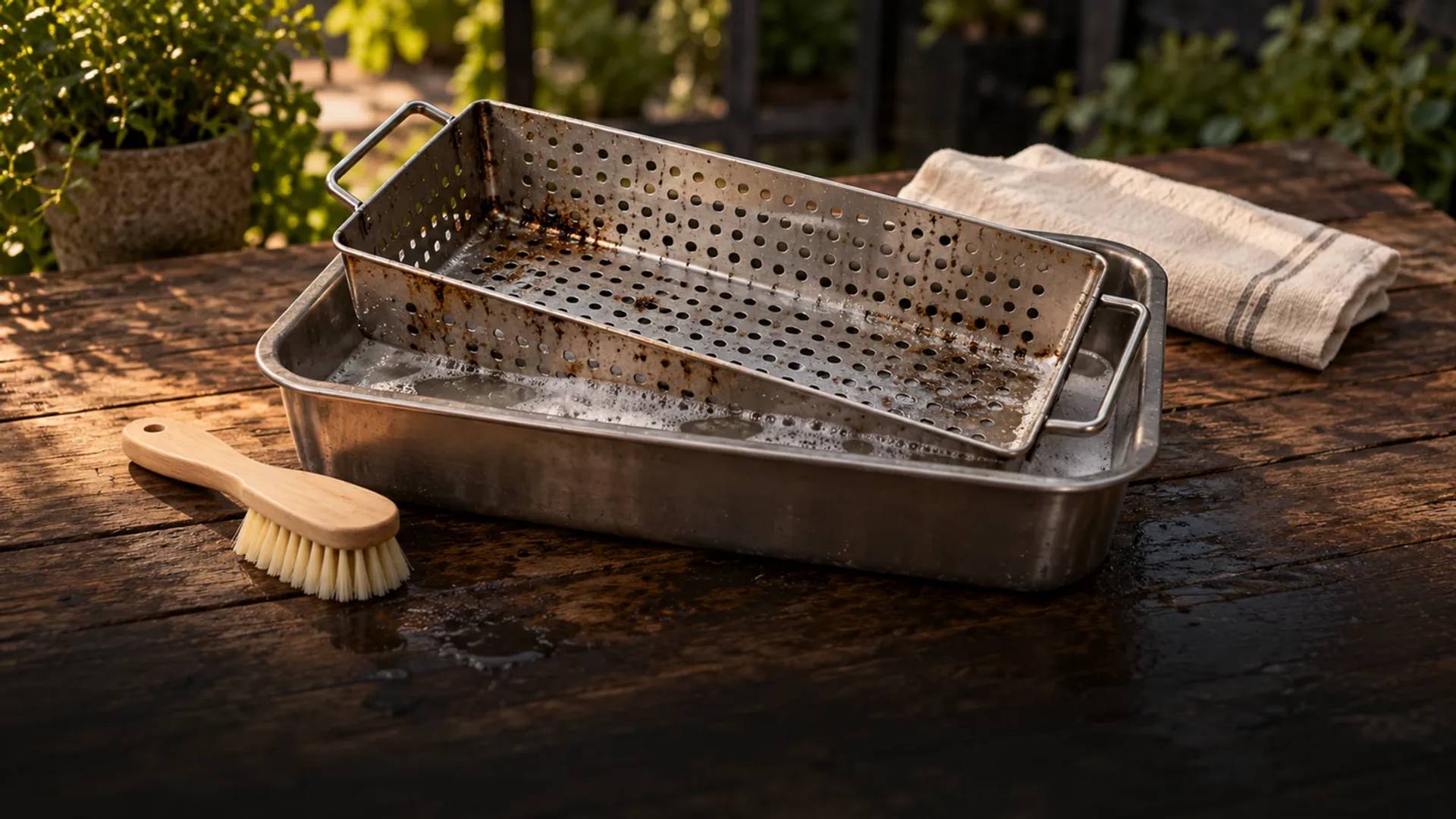
If your tray is washable, clean it with warm water, mild dish soap, and a soft sponge. Work around the edges, too. Rinse away the soap and loose dirt, then dry the tray well. Keep water away from wiring, controls, burners, pellet hoppers, and parts that must stay dry.
6. Check the drain and put everything back
Look for leftover grease around the outlet. Check for holes, cracks, or damage that affects the fit. Put the dry tray back in the right direction and seat the catch pan underneath. Make sure no tools, cloths, or scraps are left inside the grill.
For an example of proper disposal, New York City Sanitation recommends cooling and sealing grease before putting it in the trash. Your local service may have its own rules, so check those before disposal.
Give the cooking grates some care, too
Once the bottom tray is clean, check the grates above it. Our Easy Function Wood Grill Scraper is made for cooking grates, and its edge forms matching grooves with use. For the tray itself, use the tool your grill maker recommends.
What to do with hard or burnt-on grease
If a patch will not budge, give it time rather than more force. When the care guide allows soaking, use warm soapy water to soften the grease. Then try the gentle scraper again. For parts that should not soak, use the approved wipe-on method.
A few careful passes are better than bending the tray or digging into its coating. If soap is not enough, choose a cleaner that your grill maker allows for that exact material. Follow the label for how long to leave it on and how to rinse it off.
| What you see | What to do |
|---|---|
| A thin greasy film | Use mild soap and a soft sponge on a washable tray. |
| A thick layer of cooled fat | Scoop and scrape first, then wipe before washing. |
| Hard patches that will not lift | Soften gently if soaking is allowed, or use the approved cleaner. |
| Holes, cracks, or a peeling finish | Check the part with the grill maker before using it again. |
Can foil or a liner make cleanup easier?
Sometimes, but the liner must be approved for your exact grill and part. A small catch-pan insert is different from wrapping the whole bottom tray. The wrong liner can cover a grease channel or change how the tray works.
For example, Weber’s Spirit instructions say not to line the slide-out tray with foil. Napoleon recommends liners made for the right model. Pellet grill designs vary, too, so do not copy a foil trick from a different grill.
If your model allows a liner, fit it as directed and keep the outlet clear. Check underneath it when you clean. A liner catches mess, but it does not remove the need to inspect the tray.
How often should you clean the grease tray?
Make a quick check part of every cook. Before lighting up, look for pooled grease, a blocked drain, or a full catch pan. After cooking, let the grill cool and check again. Follow your model’s cleaning schedule and clean sooner when you find buildup.
Think about what you have cooked, too. Several rounds of burgers or a long cook with a fatty cut can leave much more grease than a short vegetable cook. A monthly reminder alone may miss that difference.
- Empty the cooled catch pan when needed.
- Keep the tray outlet clear.
- Put the tray and pan back in the right place.
- Check for leaks or damage before the next cook.
A quick cleanup now is easier than dealing with a thick, sticky layer later. Keep the scraper, gloves, and waste container together so you can finish the job without much setup.
Common grill grease-tray questions
These small details depend on the part you own. Keep your grill’s model number handy when checking the care guide or ordering a replacement.
Can I put the grease tray in the dishwasher?
Only if the care guide for that exact part says so. Char-Broil’s griddle guide says its grease tray is not dishwasher safe. A metal tray is not automatically safe for the dishwasher.
Can I use baking soda, vinegar, or oven cleaner?
Check the tray material and care guide first. Aluminum, coated metal, and stainless steel do not all suit the same cleaners. Start with mild soap on washable parts. Use another cleaner only when it is allowed for that surface, and never mix cleaning products.
Can I burn the grease off instead?
Do not try to burn a tray full of grease clean. Collected fat can catch fire. Turn the grill off, let everything cool, and remove the grease through the normal cleaning steps. Advice about heating cooking grates does not apply to a greasy catch tray.
Why does grease still leak after cleaning?
Check that the tray is facing the right way, the drain is open, and the catch pan sits beneath it. Look for holes or damage. If it still leaks, stop using the grill and ask the maker for help before the next cook.
Keep your grate-cleaning tool handy
Our Easy Function Wood Grill Scraper is a bristle-free option for removing stuck food from cooking grates. Wipe it clean after use and let it air-dry. Avoid long soaking, and follow your grill’s care guide when cleaning the cooking surface.
Keep learning with Easy Function
Join our YouTube community for more grilling content and a closer look at our BBQ tools.
Subscribe to Our YouTube Channel :)The best routine is one you will repeat: cool the grill, collect the grease, scrape gently, and wash only the parts that allow it. Dry the tray and check the drain before putting it back. Then you can head into your next cook with less mess waiting underneath.
Every Easy Function product ships with a free lifetime replacement warranty.