The quick answer
How do you keep your BBQ grill from rusting?
Keep your BBQ grill clean and dry, protect bare cast iron with seasoning, and use a fitted cover once the grill has cooled and dried. Clear cold ash and old drippings, wipe away salty spills, and check for chipped coatings. Match your cleaning tools and oiling routine to the grate material.
Finding orange spots before a cookout is frustrating. A small care routine helps you catch them early and keep your grill ready for the next meal. Start with your manual and Weber's grate care advice, then choose the steps that fit your grill.
Affiliate disclosure: Behind the Grill is published by Easy Function, whose tools appear below. As an Amazon Associate, we earn from qualifying purchases. Buying through affiliate links may earn us a commission at no extra cost to you.
Why does a BBQ grill rust?
Rust forms when iron meets water and oxygen. On a grill, rain is only part of the problem. Dew, damp ash, salty sauces, and water trapped under a cover can all leave metal wet.
Scratches and chips also matter. Once a coating breaks, moisture can reach the metal below. Stainless steel resists rust, but salt and harsh cleaners can still damage it. Keeping the surface dry and its finish intact gives you a better starting point.
Build a simple cleanup routine after each cook
Our approach is to clear the mess, remove moisture, and protect the right surfaces. Keep your scraper and a clean cloth nearby so cleanup becomes part of the cook.
- Lift off food residue. Use a grate-safe scraper or brush at the temperature its maker recommends. Gentle passes are better than forcing a sharp edge against a coating.
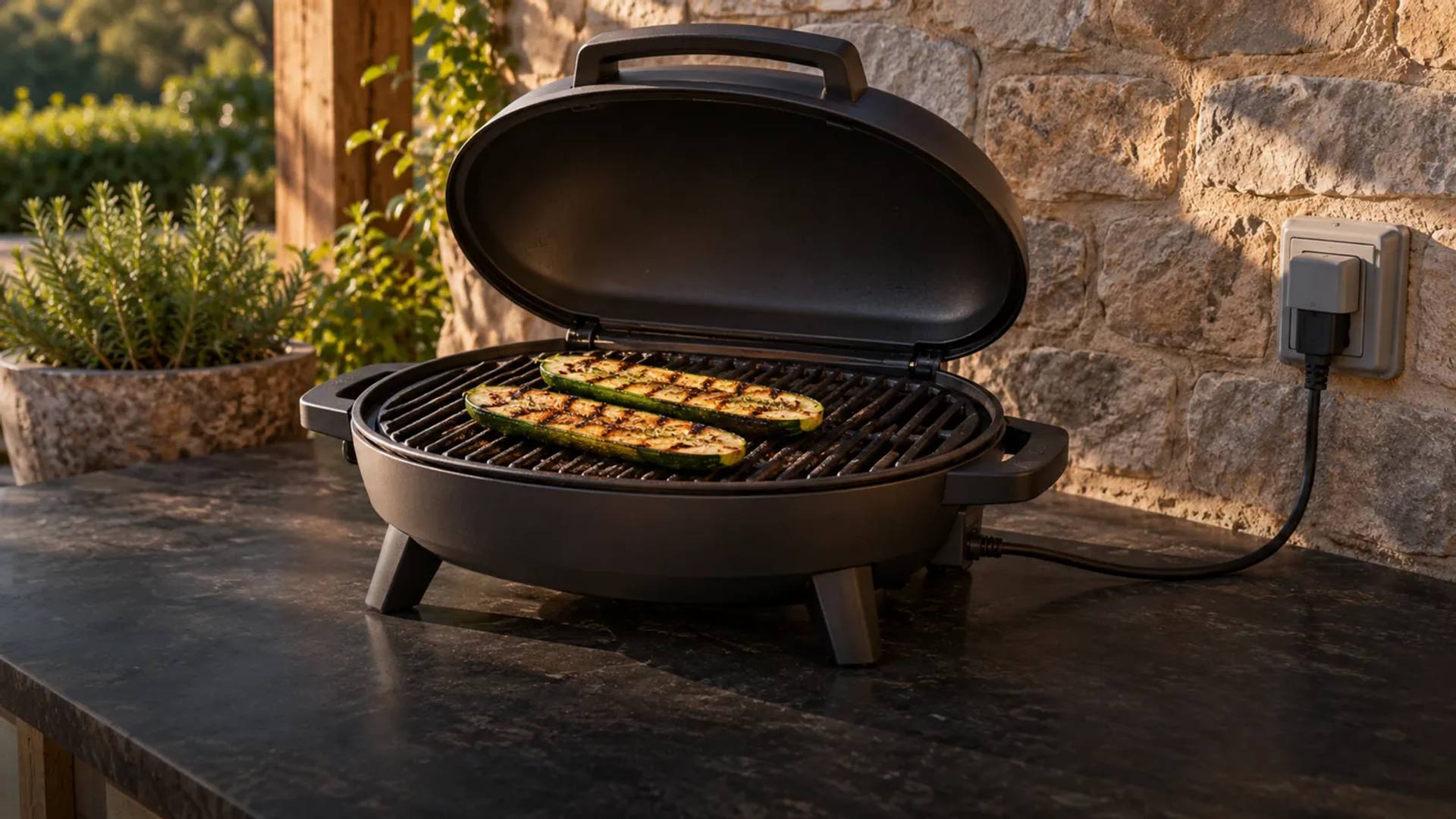
- Shut the grill down properly. Turn off the heat and fuel as your manual directs. Let a pellet grill finish its shutdown cycle before unplugging it.
- Deal with ash and drippings once cool. Check the grease tray and drain path. Empty charcoal ash only when fully cold. Damp ash holds moisture against the cookbox.
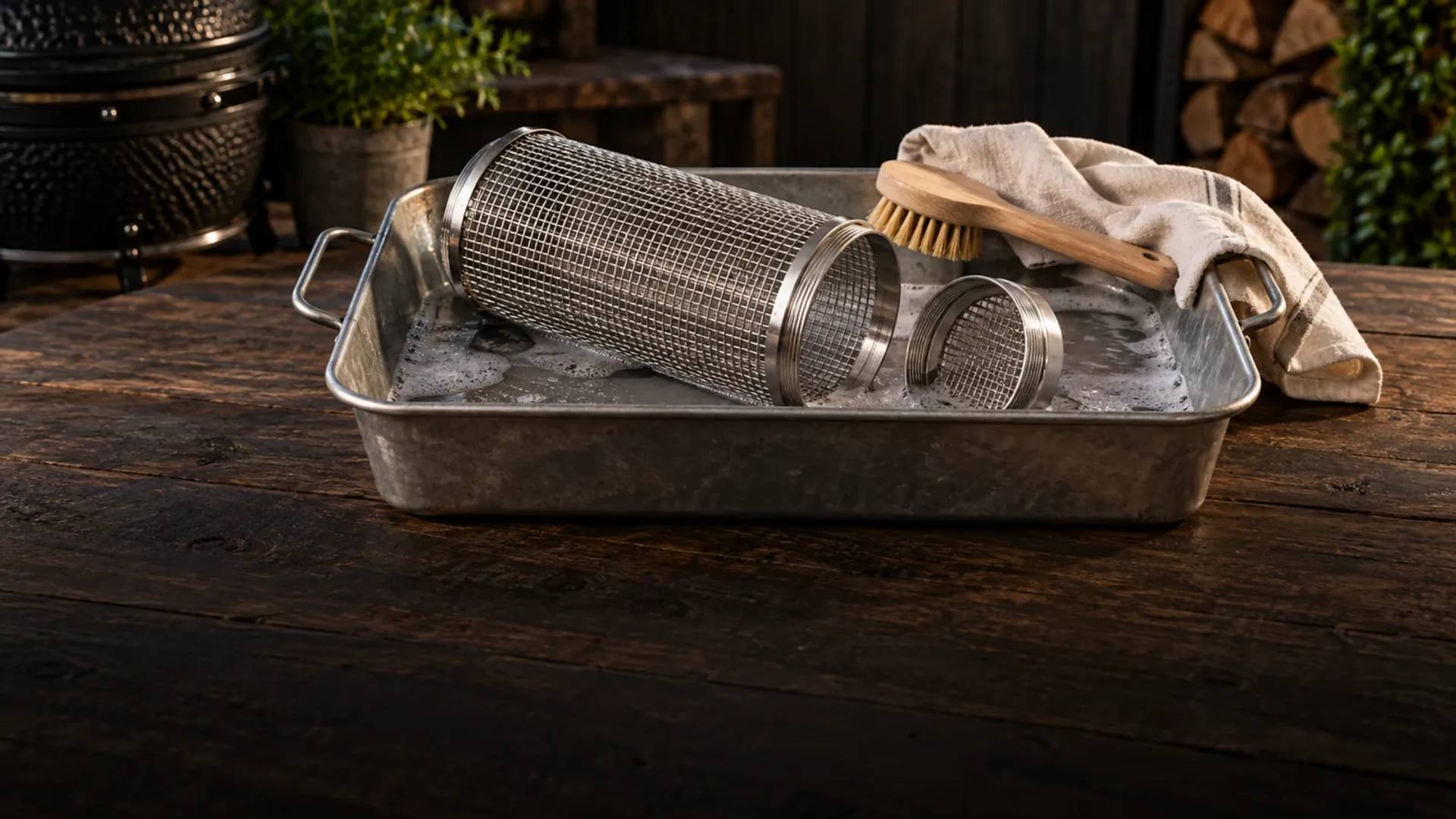
- Wash only as needed, then dry. Use a suitable cleaner on washable parts and remove its residue as directed. Towel-dry washed grates promptly, including the edges and underside.
- Check before covering. The grill and the inside of the cover should both be cool and dry.
For more help choosing a cleaning method, see our guide to cleaning grill grates.
For routine grate cleanup: Easy Function Wood Grill Scraper
A wood scraper is an option for lifting cooked-on food from compatible grates without wire bristles. Check your grate maker's guidance, follow the scraper's shaping instructions, and inspect the edge before use. It helps remove buildup; it does not repair rust or damaged coatings.
Match rust prevention to your grate material
A stainless steel lid does not mean you have stainless steel grates. Check the parts list in your manual before adding oil or choosing a scrubber.
| Grate material | Best care habit | What to avoid |
|---|---|---|
| Bare cast iron | Dry promptly and maintain a thin, even layer of seasoning. | Long soaks, damp storage, and thick pools of oil. |
| Porcelain-coated iron or steel | Protect the coating and use tools approved for it. | Sharp metal scraping and treating chipped enamel like bare iron. |
| Stainless steel | Remove residue, dry well, and follow the maker's cleaning advice. | Bleach, unsuitable abrasives, and leaving salty deposits in place. |
For bare cast iron: After cleaning and drying, wipe on a very thin layer of cooking oil. Wipe away the excess, then follow your grill maker's heating steps to set the seasoning. A puddle of oil can turn sticky instead of forming a smooth protective layer.
For coated grates: Do not assume they need the same treatment. For example, Weber says its porcelain-enameled cast iron grates do not need seasoning. Your own model's instructions should settle the question.
Cover the grill without trapping dampness
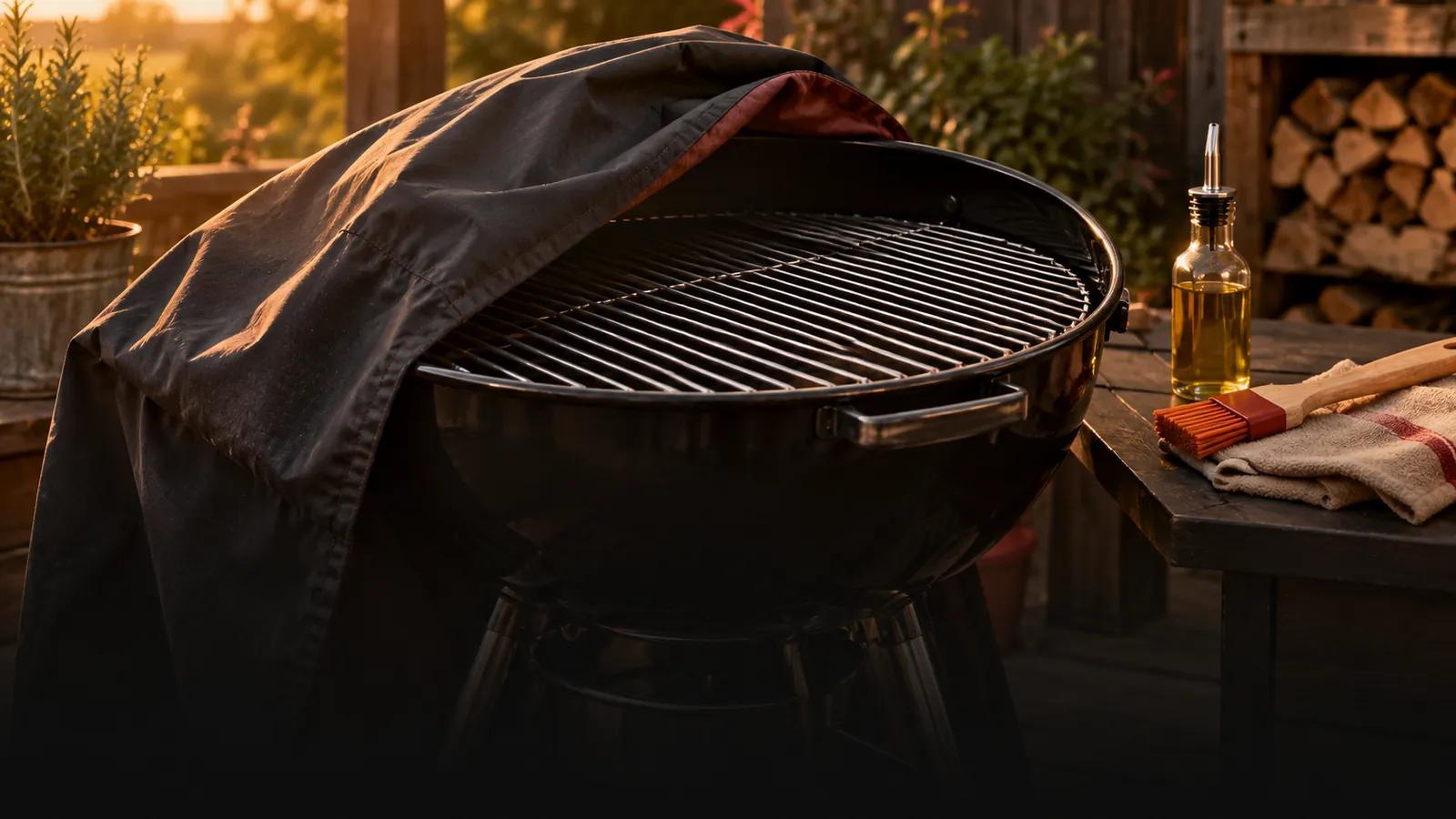
Choose a weather-resistant cover that fits securely and allows moisture to escape. A loose cover can blow off, while a torn one may let water collect where you cannot see it.
Wait until the grill is fully cool and dry before covering it. After wet weather, check underneath. If the cover lining or grill is damp, uncover it on a dry day and let both dry before putting the cover back.
Keep the grill on a firm, well-drained surface, away from sprinklers and roof runoff. Clear wet leaves from the lower frame. For long breaks between cooks, follow the manual's fuel-storage instructions. Keep propane cylinders outdoors in an upright, ventilated location; never store them in a garage or living space.
Check the fit: Weber Premium Outdoor Grill Cover
This cover is designed for select Weber Spirit grills. Confirm the exact model and dimensions before ordering. A cover helps shield the grill between cooks, but you still need to check for trapped moisture.
Check cover fit and priceProtect the lid, shelves, and lower frame too
Wipe cool exterior panels with mild soapy water and a soft cloth, remove the soap, then dry them. Work with the grain on stainless steel. Keep water away from controls, wiring, and burner openings, and skip the pressure washer.
Near the coast or a pool, wipe down the exterior more often. Weber's coastal care guide recommends a weekly wipe-down and complete drying in these conditions.
Check seams, screw heads, shelf edges, and chipped paint. Ask the maker about suitable repairs for damaged finishes. Never put ordinary paint, household rust remover, or rust-prevention spray on cooking grates. Our exterior grill rust guide covers these surfaces in more detail.
What should you do if rust has already appeared?
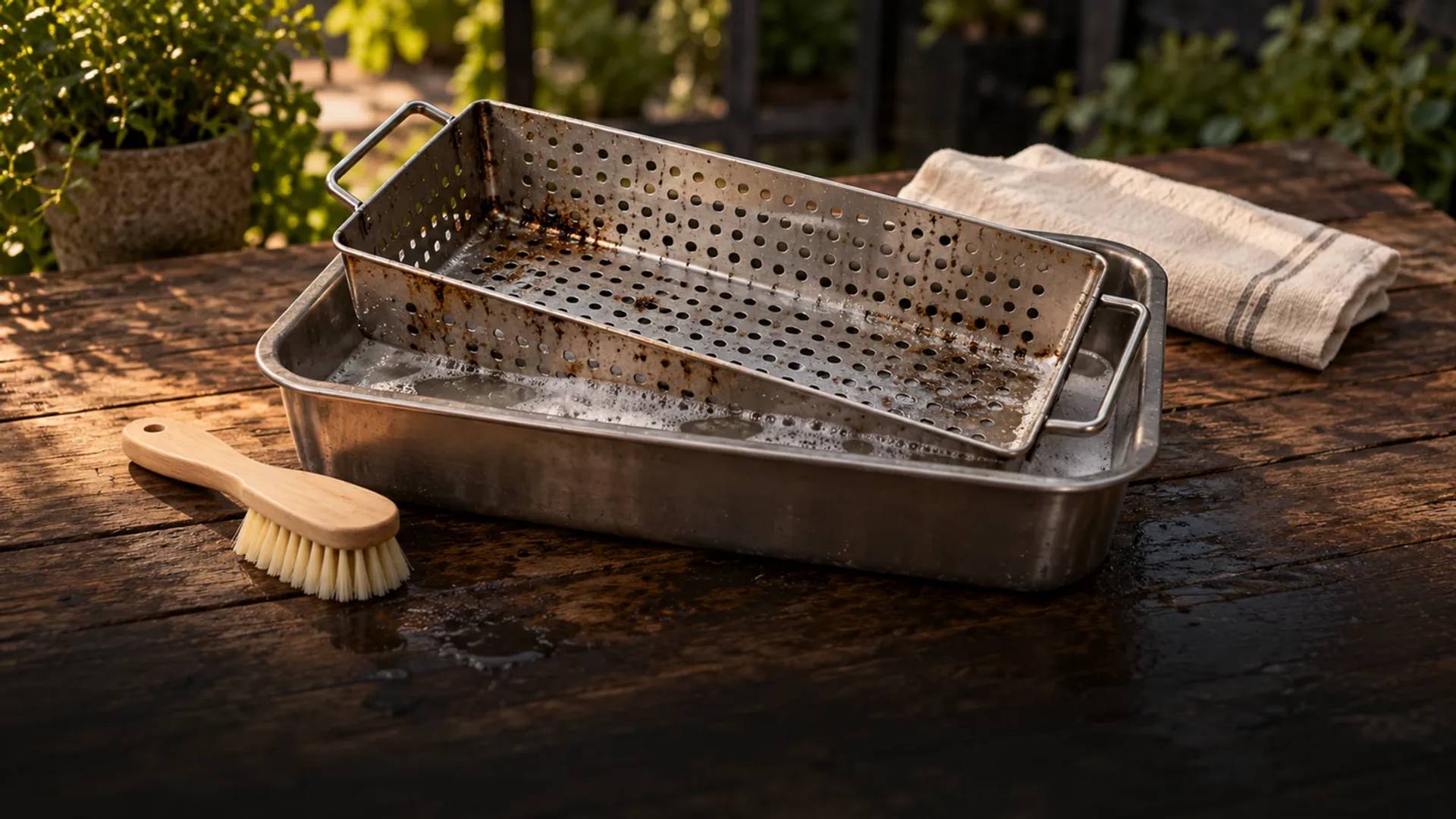
Start with a cold grill and identify the affected surface. Light rust on sound, bare cast iron may be removable. Use the maker's recommended scrubber, wash away the loosened rust, dry fully, and restore the seasoning. Lodge's cast iron care steps explain this process for uncoated cast iron cookware.
Treat porcelain and stainless steel differently. Avoid grinding, sharp scraping, or using steel wool as a universal fix. If a coating is coming loose, or metal is deeply pitted, cracked, or rusted through, stop using the affected part and arrange a replacement. Weber specifically advises replacing grates with rust-through or burn-through.
Need another routine cleaning option? The Easy Function Bristle Free Grill Brush on Amazon Canada is another tool to consider for compatible grates. Follow its use instructions and inspect it for wear. A cleaning brush cannot make a damaged grate safe again.
Keep a rust-prevention checklist you can repeat
- Each cook: Clean the grates, check drippings, and cover only when cool and dry.
- After rain: Check under the cover and dry any trapped moisture.
- During regular checks: Look under the grates and around the frame for rust, chips, and blocked drains.
- Before seasonal storage: Give the grill a full clean, dry its parts, and follow its fuel-storage directions.
When grilling season starts again, use our after-winter grill cleaning guide to check it before lighting up.
Common questions about BBQ grill rust
Why is my grill rusting even with a cover?
Water may be getting through a tear, or dampness may be trapped underneath. Check the cover's inside, the grill's lower frame, and any areas where rain collects. Dry both the cover and grill before covering again.
Should I oil every type of grill grate?
No. Bare cast iron needs its seasoning maintained, while coated and stainless grates have different care needs. Follow your model's instructions. Oiling food before cooking is a separate step from building a protective seasoning layer.
Can I burn rust off the grates?
Heat does not remove rust or repair damaged metal. Use a cleaning method approved for the grate material, then inspect it. Replace grates that are badly damaged or have loose coating.
Can stainless steel BBQ grills still rust?
Yes. Stainless steel resists corrosion, but salty deposits, harsh cleaners, and damp conditions can still cause problems. Clean it with a suitable product, use a soft cloth, and dry it well.
Every Easy Function product ships with a free lifetime replacement warranty.