The quick answer
How do you deep clean a smoker?
Let the smoker and ash cool fully, then remove the racks and pans. Clear cold ash, clean the grates, scrape loose flakes, and clear the grease drain. Wipe only the surfaces your manual allows. Dry every part, put the smoker back together, and re-season bare metal if needed.
A long brisket cook leaves more than good memories. Fat collects under the racks, ash piles up below the fire, and sauce sticks to the grates. A deep clean gets those hidden spots ready for your next cook.
Start with your model's manual. For example, Traeger's official cleaning guide covers several pellet grill designs. An electric cabinet or ceramic smoker needs different care. We'll point out those differences as we go.
Affiliate disclosure: Some links below are affiliate links. We may earn a commission if you buy through them, at no extra cost to you. Easy Function is the brand behind Behind the Grill and the cleaning tools featured here.
Gather your smoker cleaning supplies
Set out your tools before taking the smoker apart. Use a tray or old towels to keep removed parts off the ground.
- Gloves and eye protection for loose ash and greasy debris.
- A grate scraper and a brush approved for your grate material.
- A plastic putty knife for suitable trays and metal walls.
- Soft cloths, paper towels, a bucket, and warm water.
- Mild dish soap or a grill cleaner, only where the manual permits it.
- A metal ash container with a tight lid and a small ash scoop.
- For pellet smokers, a dedicated vacuum suitable for fully cold ash.
Keep the water bucket for washable parts. The pellet hopper, electrical controls, and ceramic firebox should stay out of the wash.
Check what your smoker can handle
Before you reach for soap or a hose, match the method to the cooker. These are starting points; your model's instructions come first.
| Smoker type | Main cleaning rule |
|---|---|
| Pellet | Finish shutdown before unplugging. Remove cold ash and clear the grease path. Keep water away from the hopper, auger, fan, and wiring. |
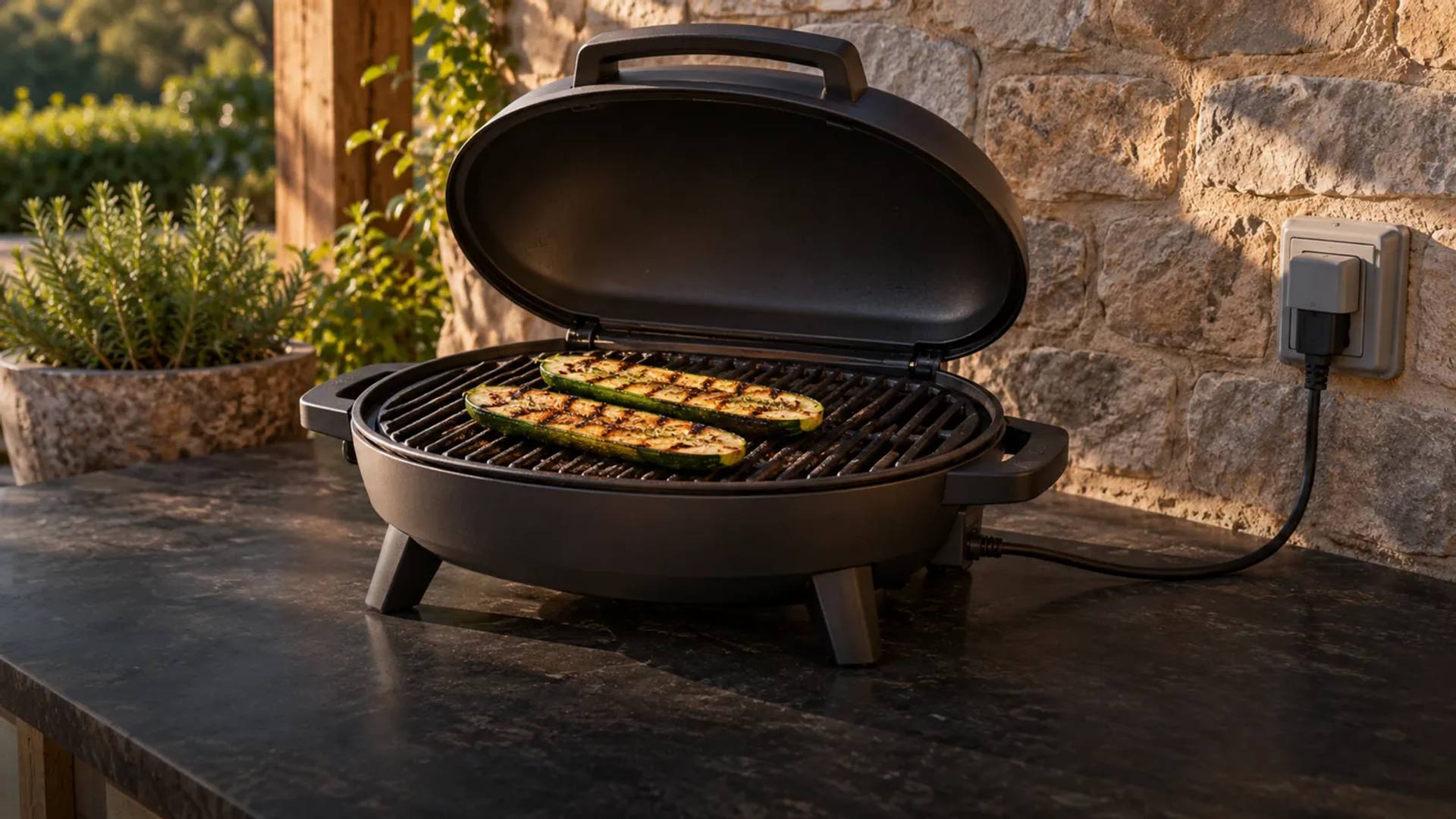
| Electric cabinet | Wash approved removable parts separately. Masterbuilt's 710 guide calls for a damp cloth without cleaning agents on the cabinet and glass. |
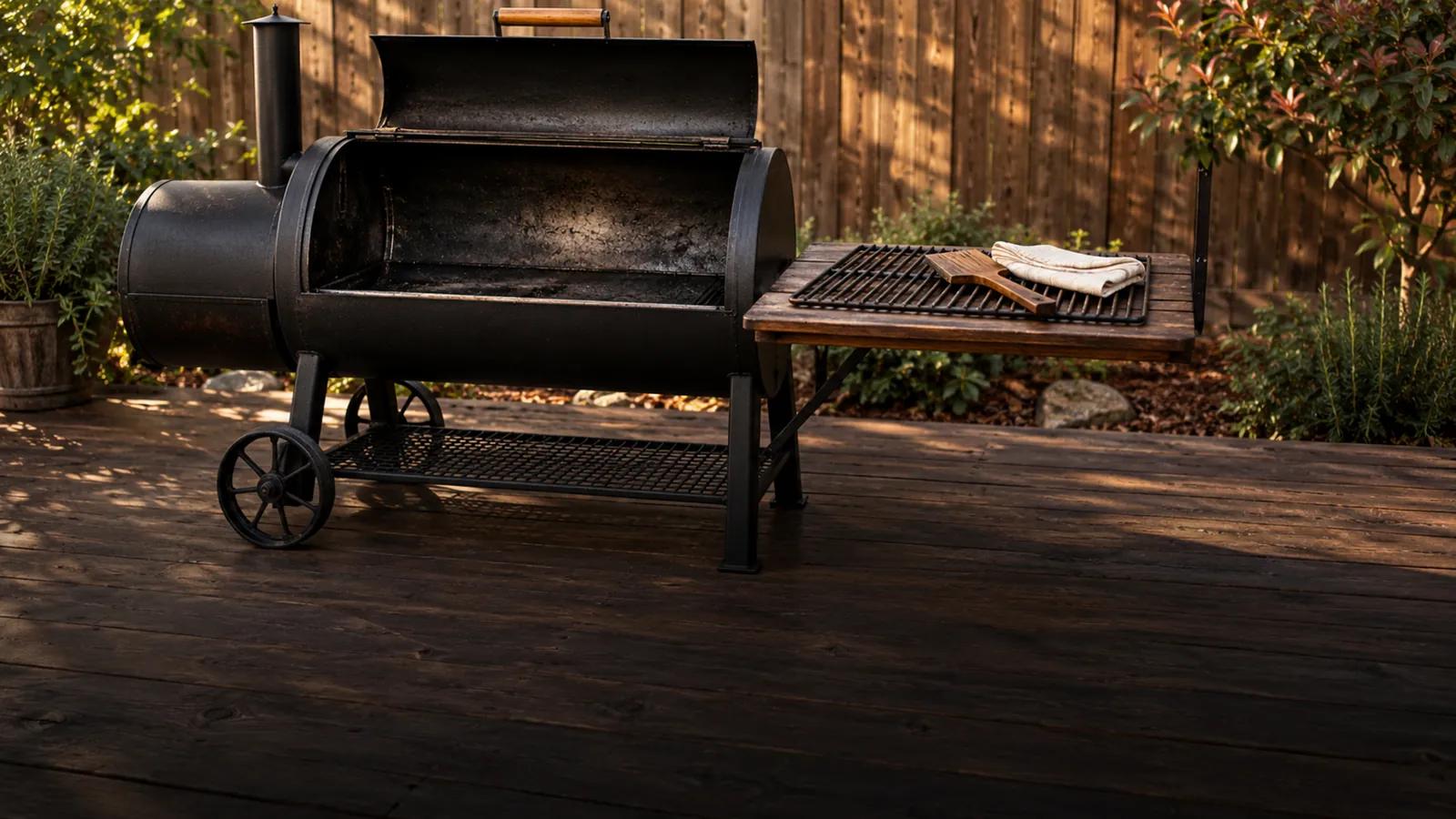
| Steel offset or charcoal | Remove cold ash and grease. Keep sound seasoning on bare steel where possible. Treat coated or enameled parts according to their own care rules. |
| Ceramic kamado | Remove ash and follow the maker's cleaning method. Big Green Egg says to keep water and chemicals out of the interior. |
1. Cool the smoker and remove loose parts
Let the smoker finish its normal shutdown. On a pellet unit, do not pull the plug while its cooling fan is still running through the shutdown cycle. Once the unit is off, unplug it and let the cooker and all ash become fully cold. Close the fuel supply if you use a gas smoker.
Take a quick photo of the inside. It helps you remember how the heat shields and drip trays fit. Lift out the cooking racks, water pan, drip tray, and other parts meant for routine removal.
Empty cold grease into a suitable waste container. Keep fat out of the sink. If you're cleaning a pellet smoker for storage, empty the hopper using its clean-out feature and store dry pellets in a sealed container.
2. Remove cold ash from the firebox
Scoop ash out of a charcoal or offset smoker. On a pellet smoker, follow the manual to reach the firepot and the space beneath the heat shield. Use a suitable vacuum only when every ember and all ash are completely cold. If you're unsure, wait longer.
Put ash in a metal container with a tight lid. Keep it on a surface that cannot burn, such as concrete, away from the house and anything that can catch fire. The U.S. Fire Administration recommends a lidded metal container for cooled grill coals.
Do not pour water into the smoker to wash out ash. Keep a pellet firepot and its igniter dry. Removing ash regularly also helps protect steel smokers from rust caused by damp buildup.
3. Clean the cooking grates
Scrape off stuck food from both sides of each grate. Pay attention to the edges and the points where the bars cross. Use light pressure so you do not chip a coating.
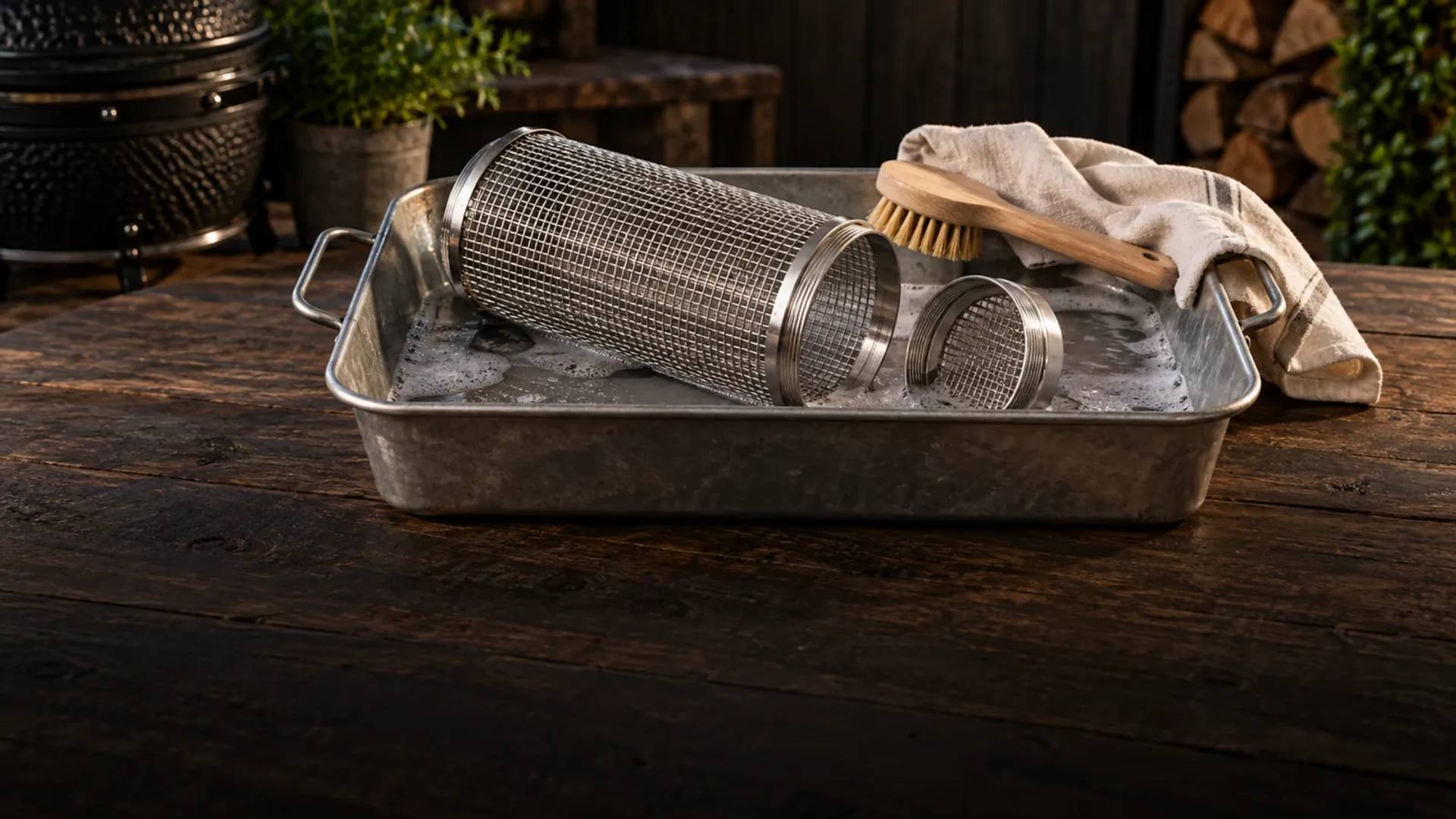
- Stainless steel: If the manual allows washing, loosen grease with warm, mildly soapy water, then scrub, rinse, and dry.
- Bare cast iron: Avoid soaking. Clean promptly with the approved method, dry right away, and apply a thin coat of cooking oil. Lodge's cast iron guide explains this basic care routine.
- Porcelain-coated grates: Use a tool approved for the coating. Avoid sharp scraping and harsh pads. Check damaged or flaking coatings before cooking again.
Rinse washable grates until no cleaner remains, then dry them well. Do not rely on the next fire to remove soap.
A tool for the grate-cleaning step
Easy Function Wood Grill Scraper
Prefer scraping without wire bristles? Our wood scraper is an option for routine grate care. Match it to your grate shape, and follow the tool's directions for use and any groove forming. Check your smoker's care guide before use.
4. Scrape loose flakes and clean the grease path
Use a plastic scraper on suitable metal surfaces to lift loose black flakes and thick grease from the lid and cooking chamber. Catch the debris as you work. Keep it out of the firepot and air holes.
A firm, thin layer on seasoned steel does not need to be stripped off each time. Sticky grease, loose crust, and old food do need to go. Deep cleaning should not mean scraping every wall back to shiny metal.
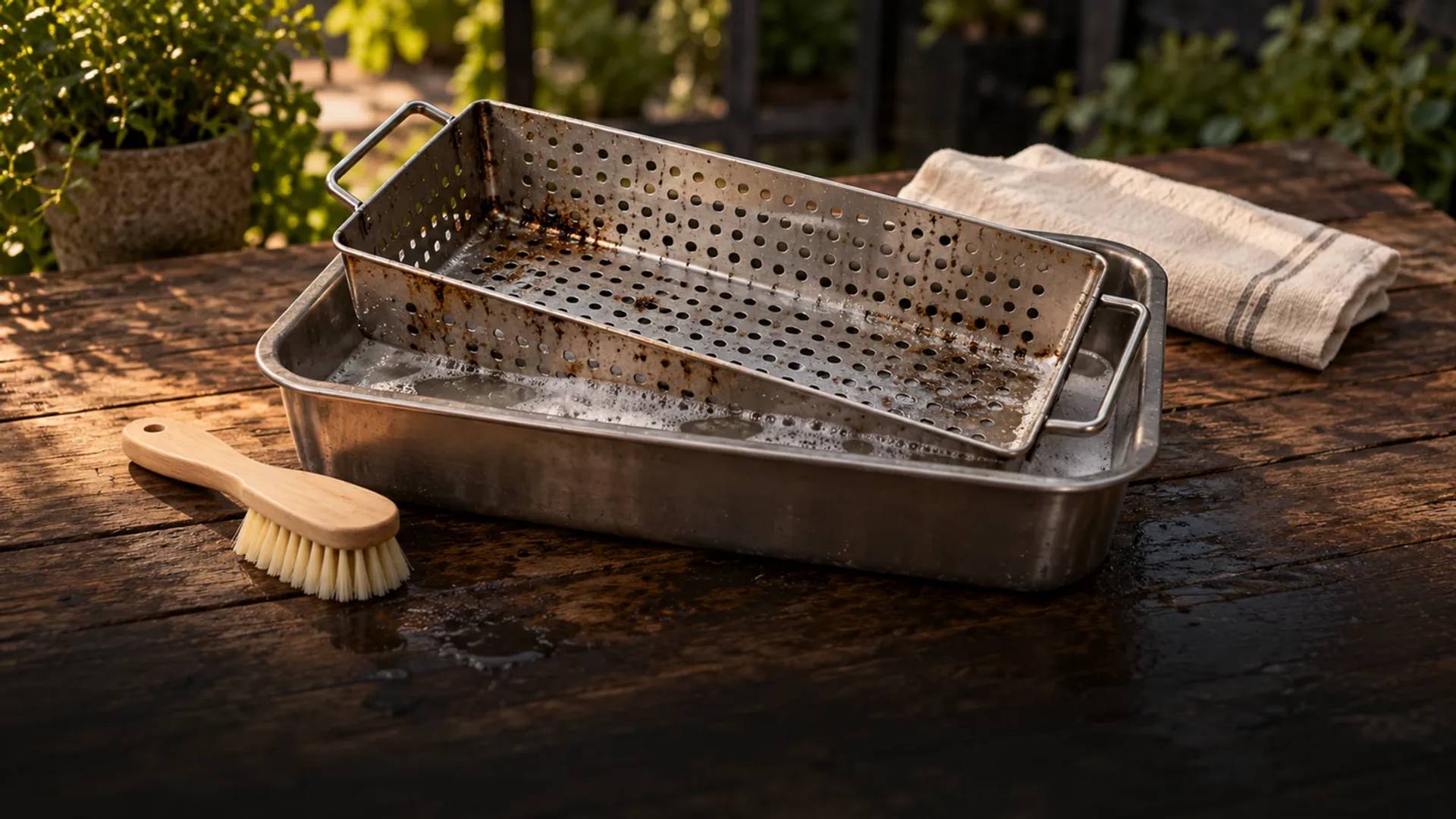
Clean the drip tray, grease channel, drain opening, and grease bucket. Follow the path fat takes from the food to the bucket. Clear each part so grease can drain freely.
Wash only the trays your manual allows. For example, Pit Boss advises against washing its flame broiler with water. Replace liners only where approved, and keep drain holes and airflow openings clear.
5. Wipe approved surfaces and check the vents
Wipe the cooking chamber using the method approved for your smoker. That may mean a damp cloth alone, or a maker-approved grill cleaner on certain metal parts. Keep soap and water out of a ceramic interior.
Check the chimney or exhaust outlet for loose soot and grease. Clean the accessible parts according to the manual without changing the vent setting or taking apart sealed sections. Gently wipe a temperature sensor only if its care instructions call for cleaning. Do not scrape or bend it.
Finish with the outside, handles, and shelves. Use a soft cloth and a cleaner approved for the finish. Never hose down a pellet or electric smoker, and keep moisture away from plugs, switches, and the control panel.
6. Dry the parts and put everything back
Remove all cleaner as directed on its label. Rinse washable parts or wipe approved surfaces with a clean, damp cloth. Then towel-dry them and allow any remaining moisture to dry fully. Check corners, rack supports, and the bottom of pans.
Look for heavy rust, cracked ceramic, damaged wires, loose fittings, and failing seals. A cleaning session will not fix damaged parts. Replace them or ask the maker for advice before the next cook.
Use your photo to reinstall the heat shield, drip tray, water pan, and racks. Make sure each part sits correctly. Keep the grease drain open and remove all cloths and cleaning tools before reconnecting power.
7. Re-season only where needed
If cleaning exposed bare steel or removed seasoning from cast iron, apply a very thin coat of cooking oil where the maker recommends it. Follow your model's heating steps to set that protective layer. Do not coat electrical parts, ceramic walls, or every surface by default.
Oklahoma Joe's steel smoker guide explains when a deep restoration calls for re-seasoning. That process does not apply to every smoker.
Skip the blanket high-heat burn-off. There is no single temperature or time for all smokers. Remove heavy grease before any heating, stay within the manual's limits, and supervise the cooker. Heat is not a substitute for rinsing away cleaner.
How often should you deep clean a smoker?
Use the manual's schedule and check the smoker before each cook. A few long, fatty cooks can leave more grease than weeks of light use. For its pellet grills, Traeger lists internal deep cleaning every two to three cooks, or about 20–24 cooking hours, with adjustments for what you cook.
Clean sooner if you find grease pooling, a blocked drain, loose flakes above the food, or a heavy ash pile. Inspect the cooker after long storage, too.
- After a cook: Remove grate residue at the temperature allowed by your tools and grate instructions. Wipe spills once safe.
- Once fully cold: Empty ash as directed and check the grease container.
- Before storage: Remove old food and grease, dry the smoker, and protect it with a suitable cover once cool.
Make routine grate care easier
Easy Function Bristle Free Brush
For compatible grates, our bristle-free brush gives you another way to scrub food residue between deep cleans. Check the brush and grate instructions for the right working temperature. Inspect the head for damage, replace worn tools, and wipe the grates after cleaning.
Smoker deep-cleaning questions
Can I use oven cleaner inside my smoker?
Use only cleaners approved for your smoker and the surface you're cleaning. Oven cleaner may damage finishes or parts. Mild soap is suitable for some removable items, but even that is not approved for every smoker interior.
Should I remove every black mark?
No. A sound, thin seasoning layer on steel can stay. Remove loose flakes, sticky fat, and food scraps. If the layer is fuzzy, peeling, or looks like a damaged coating, stop and work out what it is before cooking.
What if I find mold after storage?
Do not cook in the smoker until it has been cleaned using the maker's mold-cleaning guidance. A quick warm-up does not replace cleaning. If mold covers a large area, reaches hard-to-clean parts, or keeps returning, contact the manufacturer for help.
Can I pressure wash my smoker?
Skip pressure washing unless your exact model's instructions allow it. It can force water into controls, seals, and areas that are hard to dry. Hand-clean approved parts and keep electrical and ceramic interiors dry.
Ready for the next low-and-slow cook
Before you close the lid, check four things: clean grates, no loose debris, a clear grease drain, and dry parts fitted in the right places. A little care after each cook makes the next deep clean much easier.
Every Easy Function product ships with a free lifetime replacement warranty.